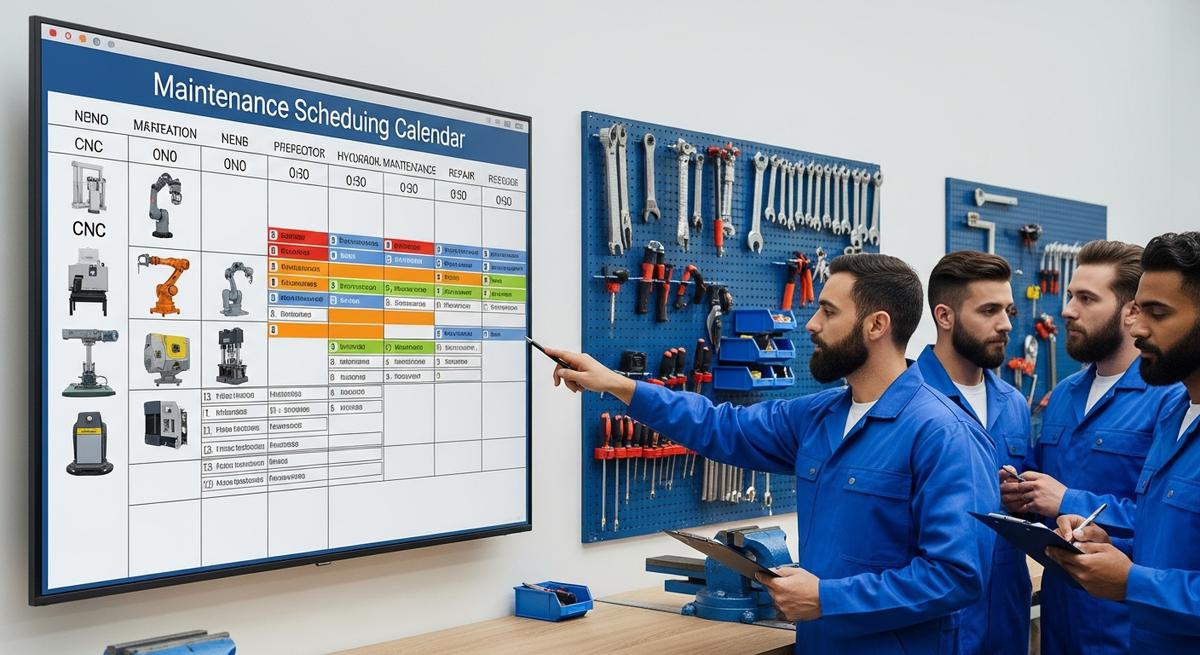
Preventive maintenance scheduling sits at the intersection of regulatory compliance, equipment reliability, and operational efficiency. Schedule too frequently and you waste resources on unnecessary maintenance while taking equipment offline too often. Schedule too infrequently and you risk failures, downtime, and regulatory violations. Optimal scheduling balances these competing demands, maximizing equipment availability while minimizing total maintenance costs.
Understanding Preventive Maintenance Fundamentals
Preventive maintenance (PM) encompasses all scheduled maintenance performed regardless of equipment condition, based on time, usage, or other intervals:
PM vs. Other Maintenance Types
- Preventive Maintenance: Scheduled service at predetermined intervals to prevent failures
- Predictive Maintenance: Condition-based interventions triggered by actual equipment state
- Reactive Maintenance: Repairs performed after equipment fails or malfunctions
- Corrective Maintenance: Addressing deficiencies identified during inspections or operation
Optimal maintenance programs combine all four types, with preventive maintenance forming the foundation preventing most failures while predictive and corrective approaches fine-tune timing.
Determining Optimal Maintenance Intervals
Maintenance interval determination balances manufacturer recommendations, actual operating conditions, and historical performance data:
Interval Decision Factors
- Manufacturer Recommendations: Starting point based on design expectations and testing
- Operating Environment: Dusty, corrosive, temperature extremes requiring more frequent service
- Usage Intensity: Heavy-duty applications vs. light intermittent use affecting wear rates
- Criticality: More frequent PM for equipment where failures cause major operational disruption
- Historical Failures: Actual failure data revealing whether intervals are appropriate
- Regulatory Requirements: OSHA or industry standards mandating minimum frequencies
- Cost Optimization: Balance between PM costs and prevented failure/downtime costs
Starting Point: When uncertain about intervals, begin with manufacturer recommendations, then adjust based on 6-12 months of actual performance data and inspection findings.
Common Forklift PM Intervals
- Daily: Pre-operational inspection, visual fluid checks, tire pressure verification
- Weekly: Battery water levels (flooded batteries), detailed visual inspection, lubrication points
- Monthly (or 200 operating hours): Fluid and filter changes, brake adjustment, electrical system check
- Quarterly (or 500 hours): Hydraulic system service, mast inspection, load test verification
- Semi-Annual (or 1000 hours): Major service including transmission, drivetrain, complete hydraulic service
- Annual: Comprehensive inspection, capacity verification, structural assessment, certification updates
Building Effective PM Schedules
PM schedules translate interval requirements into actionable calendars balancing workload distribution and operational needs:
Schedule Development Process
- Equipment Inventory: Complete database of all equipment including make, model, age, usage
- Task Definition: Specific PM tasks required at each interval with time estimates
- Interval Mapping: Which PM tasks apply to each piece of equipment and when
- Resource Assessment: Technician availability, bay capacity, parts inventory requirements
- Operational Windows: When equipment can be taken offline with minimal disruption
- Workload Balancing: Distributing PM work evenly vs. concentration in specific periods
- Buffer Time: Allowances for delays, unexpected issues, or resource conflicts
Calendar-Based vs. Meter-Based Scheduling
PM can be scheduled based on calendar time or usage meters (operating hours), each with advantages:
- Calendar-Based Advantages: Predictable scheduling, easier resource planning, regulatory compliance clarity
- Calendar-Based Disadvantages: Over-maintains lightly-used equipment, under-maintains heavily-used units
- Meter-Based Advantages: Maintenance aligned with actual wear, optimizes resource utilization
- Meter-Based Disadvantages: Unpredictable timing complicating scheduling, requires hour meter tracking
- Hybrid Approach: Use "whichever comes first" triggers (e.g., 90 days or 200 hours) combining both methods
Best Practice: Hybrid scheduling delivers optimal results—calendar-based for time-degrading items (seals, hoses) and meter-based for wear items (filters, fluids), whichever comes first.
Resource Planning and Optimization
Effective PM requires adequate resources deployed efficiently:
Technician Capacity Planning
- PM Workload Calculation: Total annual PM hours across fleet divided by available technician hours
- Skill Requirements: Matching PM complexity with technician capabilities
- Workload Distribution: Balancing PM work vs. reactive repair capacity
- Peak Period Management: Handling seasonal demand variations or equipment rotation schedules
- Overtime vs. Staffing: Deciding between baseline capacity with overtime or higher fixed staffing
- Outsourcing Strategy: Which PM tasks to perform in-house vs. contract to vendors
Parts Inventory Management
- Scheduled Demand: Pre-ordering parts for planned PM based on schedule
- Safety Stock: Buffer inventory for common PM items preventing schedule delays
- Lead Time Management: Ordering long-lead items well before scheduled PM dates
- Kitting: Pre-assembling PM parts kits reducing technician search time
- Vendor Relationships: Agreements ensuring reliable availability of critical components
- Obsolescence Risk: Balancing inventory levels against parts becoming outdated
Scheduling Techniques and Tools
Modern scheduling approaches range from simple spreadsheets to sophisticated CMMS systems:
Scheduling Method Options
- Spreadsheet-Based: Low cost, flexible, but manual and limited automation capability
- Maintenance Software (CMMS): Automated scheduling, work order generation, tracking, and reporting
- Integrated Fleet Systems: PM scheduling within broader fleet management platforms
- Mobile Solutions: Technician access to schedules and work orders via smartphones/tablets
- IoT-Connected Systems: Automatic meter reading and usage-based scheduling triggers
Workload Leveling Strategies
Avoiding PM workload peaks and valleys improves resource utilization:
- Staggered Schedules: Distributing similar PM tasks across weeks/months vs. all at once
- Rolling Cycles: Continuous PM flow vs. batch processing by equipment type
- Seasonal Considerations: Heavy PM during slow operational periods, light PM during peaks
- Day-of-Week Planning: Spreading PM across week avoiding Monday/Friday concentration
- Shift Utilization: Leveraging off-shift hours for PM reducing operational impact
Managing Schedule Deviations
Perfect adherence to PM schedules is rare. Managing deviations determines program success:
Deviation Handling Protocols
- Grace Periods: Acceptable deviation windows (e.g., ±7 days for monthly PM) before escalation
- Priority Rules: Criteria for delaying PM (operational necessity, technician shortage, parts unavailability)
- Catch-Up Strategies: Recovering from schedule slippage without creating future cascade
- Equipment-Out-of-Service Tagging: When equipment reaches overdue threshold requiring immediate action
- Management Escalation: Notification triggers when PM compliance falls below thresholds
- Root Cause Analysis: Investigating chronic schedule adherence issues for systematic solutions
Compliance Risk: For OSHA-required PM (like annual inspections), grace periods cannot extend compliance beyond regulatory deadlines. Equipment must be tagged out if deadlines pass without completion.
Measuring PM Program Effectiveness
Systematic measurement enables continuous PM program improvement:
Key Performance Indicators
- Schedule Compliance: Percentage of PM tasks completed within window (target 95%+)
- Mean Time Between Failures: Equipment reliability trending up with effective PM
- Reactive vs. Preventive Ratio: Shift from reactive toward preventive work (target 80/20)
- PM Cost per Operating Hour: Maintenance efficiency metric for fleet comparisons
- Equipment Availability: Uptime percentages accounting for both PM and repair downtime
- PM Task Duration: Actual time vs. estimated for scheduling accuracy refinement
- Repeat Failures: Equipment requiring repeated PM for same issues suggesting interval problems
Continuous Program Improvement
Effective PM programs evolve based on data, changing conditions, and lessons learned:
- Interval Refinement: Adjusting frequencies based on actual failure patterns and inspection findings
- Task Optimization: Adding tasks to address recurring issues, eliminating those finding no problems
- Resource Reallocation: Shifting technician time or capabilities based on workload analysis
- Technology Adoption: Implementing tools improving scheduling efficiency or PM effectiveness
- Vendor Evaluation: Assessing outsourced PM quality and cost-effectiveness
- Best Practice Sharing: Learning from other facilities or industries with similar equipment
Digital PM Scheduling and Analytics Platforms
Modern digital platforms transform preventive maintenance from static schedules into dynamic, data-driven programs delivering measurable operational improvements:
Automated Scheduling and Execution Management
- Dynamic Scheduling: Systems automatically generate PM work orders based on calendar intervals, operating hours, or hybrid triggers
- Technician Assignment: Automatic routing of PM tasks to qualified technicians based on skills, availability, and workload
- Parts Integration: Automatic parts reservation and kitting for upcoming PM reducing prep time and delays
- Mobile Execution: Technicians access PM checklists, documentation, and completion tracking via mobile devices
- Quality Verification: Digital verification requiring photos, measurements, or supervisor approval preventing checkbox completion
- Auto-Rescheduling: Intelligent rescheduling when PM cannot be completed due to resource conflicts or operational priorities
Efficiency Gain: Facilities using digital PM scheduling complete 18-24% more PM tasks per technician-hour through eliminated paperwork, optimized routing, and reduced administrative overhead. This efficiency directly translates to cost savings and improved equipment reliability.
Predictive Maintenance Integration
Advanced systems integrate preventive maintenance with predictive analytics, optimizing intervention timing:
- Condition-Based Triggers: Inspection data automatically adjusting PM intervals based on actual equipment condition
- Failure Prediction Models: Machine learning identifying equipment approaching failure, triggering early PM intervention
- Usage Pattern Analysis: Adjusting PM frequency for equipment in high-stress applications vs. light-duty use
- Seasonal Optimization: Historical data showing optimal PM timing relative to operational demand cycles
- Component Life Tracking: Precise tracking of consumable lifecycles preventing premature or overdue replacements
- Cost-Benefit Analysis: Automatic calculation of PM timing optimizing total cost versus failure risk
The ROI of Optimized PM Scheduling
Comprehensive PM scheduling systems require investment, but deliver substantial returns through improved reliability and reduced total maintenance costs:
Direct Cost Reduction
- Emergency Repair Avoidance: Effective PM reduces unplanned failures by 60-75%, eliminating costly emergency service averaging 3-4x routine PM costs
- Extended Equipment Life: Proper PM extends forklift service life 40-60% beyond reactive maintenance approaches, deferring $30,000-$45,000 replacement costs per unit
- Labor Efficiency: Digital scheduling eliminates 12-15 administrative hours weekly per 100 units through automation of work order generation, technician assignment, and completion tracking
- Parts Optimization: Scheduled PM enables bulk purchasing and reduced emergency expediting, cutting parts costs 18-25%
- Warranty Preservation: Documented PM maintains manufacturer warranties preventing denial of claims averaging $12,000-$35,000 per major failure
Operational Benefits
- Improved Availability: Systematic PM increases equipment availability from typical 82-87% reactive baseline to 95-98%, worth $40,000-$120,000 annually per 50-unit fleet in productivity
- Reduced Downtime Duration: Scheduled PM downtime averages 2.1 hours vs. 8.7 hours for emergency repairs, minimizing operational disruption
- Production Predictability: Scheduled PM enables production planning around known maintenance windows versus surprise shutdowns
- Safety Improvement: Effective PM reduces safety incidents by preventing equipment failures causing operator injuries
- Regulatory Compliance: Documented PM programs satisfy OSHA requirements and provide audit defense
- Resale Value Protection: Well-maintained equipment with documented PM commands 35-50% higher resale prices
ROI Example: A logistics company with 165 forklifts invested $58,000 in digital PM scheduling and analytics. First-year returns: $127,000 emergency repair savings, $89,000 labor efficiency gains, 6.2% availability improvement worth $187,000 in productivity, and $43,000 parts cost reduction through optimized ordering. Cumulative three-year ROI: 682%, with ongoing annual savings of $446,000.
PM Analytics for Continuous Improvement
Digital platforms provide analytics driving ongoing PM program optimization:
Performance Dashboards and Trend Analysis
- Schedule Adherence Tracking: Real-time visibility into PM completion rates by equipment type, location, and timeframe
- Cost Trending: Analysis of PM costs per unit, per operating hour, and by maintenance type
- Reliability Metrics: MTBF and failure rate trending showing PM effectiveness over time
- Technician Performance: Comparative analysis of PM completion times, quality scores, and efficiency by technician
- Parts Consumption Analysis: Tracking which components require frequent replacement, indicating design issues or operational problems
- Downtime Attribution: Separating scheduled PM downtime from failure-related downtime for true availability calculation
Interval Optimization Through Data
Analytics enable evidence-based PM interval adjustments replacing manufacturer recommendations with operational reality:
- Failure Pattern Analysis: Identifying optimal PM timing based on actual failure intervals rather than generic recommendations
- Inspection Finding Trends: Adjusting PM frequency when inspections consistently find no issues (over-maintaining) or recurring problems (under-maintaining)
- Usage-Based Refinement: Setting different PM intervals for high-utilization vs. low-utilization equipment
- Environmental Factor Consideration: Adjusting PM for harsh operating environments (extreme temperatures, heavy dust, corrosive conditions)
- Comparative Analysis: Benchmarking PM intervals across similar equipment identifying optimization opportunities
- Economic Modeling: Calculating optimal PM frequency balancing maintenance costs versus failure risk and downtime expense
Building a PM Culture of Excellence
Technology enables effective PM, but organizational commitment ensures sustained excellence:
Leadership Support for PM Programs
- Resource Commitment: Adequate technician staffing, tools, facilities, and time allocation for PM without compromising quality
- Schedule Protection: Resisting operational pressures to defer PM for short-term production gains
- Metric Visibility: Regular leadership review of PM KPIs and program performance
- Investment Authorization: Timely approval of PM system enhancements and capability expansions
- Recognition Programs: Celebrating teams achieving PM excellence and reliability milestones
Technician Engagement and Development
- Skills Training: Comprehensive PM training covering not just tasks but understanding why each step matters
- Feedback Channels: Mechanisms for technicians to suggest PM improvements based on field experience
- Quality Emphasis: Ensuring technicians understand PM thoroughness is more important than speed
- Career Paths: Creating advancement opportunities for technicians demonstrating PM excellence
- Tool Provision: Equipping technicians with proper tools, equipment, and technology for efficient PM execution
Stakeholder Communication
- Operations Transparency: Advance notice of PM schedules enabling production planning around maintenance windows
- Cost Justification: Sharing PM program ROI data with finance stakeholders demonstrating value
- Safety Communication: Highlighting PM role in preventing safety incidents during safety meetings
- Continuous Improvement Updates: Regular communication of PM program enhancements and results
- User Feedback: Gathering operator input on equipment condition and PM effectiveness
Preventive maintenance scheduling represents the foundation of equipment reliability and operational excellence. Organizations mastering PM scheduling achieve 95%+ equipment availability, 30-40% lower maintenance costs than reactive approaches, and compliance confidence that comes from systematic, well-documented programs. Download our free forklift PM checklist template to implement these scheduling best practices. Modern digital analytics transform PM from maintenance necessity into strategic competitive advantage, generating measurable returns through optimized timing, resource efficiency, and data-driven continuous improvement. The investment in robust PM scheduling pays continuous dividends in uptime, safety, and long-term asset value preservation while positioning organizations for sustained operational success.