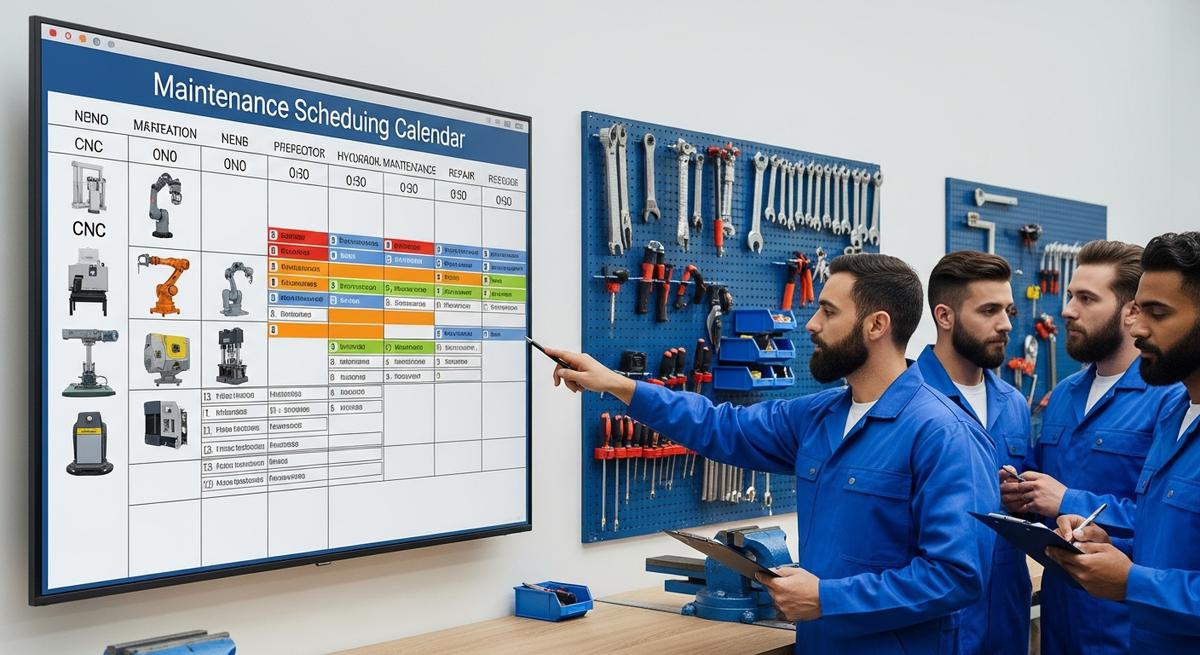
Preventive maintenance (PM) schedules are systematic plans for maintaining equipment at regular intervals to prevent breakdowns and extend equipment life. The A, B, C, D naming convention is widely used in fleet management, industrial equipment, and manufacturing to organize maintenance tasks by frequency and scope.
Studies show that every $1 spent on preventive maintenance saves $5 in reactive repair costs. Properly scheduled PM also reduces unplanned downtime by up to 35% and extends equipment life by 20-40%.
Understanding PM Schedule Nomenclature
The A, B, C, D naming system organizes maintenance tasks into tiers based on frequency and complexity. PM A is the most frequent and basic level, while PM D represents major overhaul-level maintenance. Each higher level includes all tasks from lower levels plus additional items.
Think of it as a pyramid: PM A forms the base with frequent, simple tasks. PM B adds more detailed checks at longer intervals. PM C includes comprehensive inspections. PM D represents the major service that addresses wear items and rebuilds.
PM Schedule Comparison Chart
The following table summarizes typical PM schedule intervals and scope. Note that actual intervals vary by manufacturer, equipment type, and operating conditions.
- PM A: Every 250-500 hours or 3 months | 30-60 minutes | Basic service and inspection | $
- PM B: Every 500-1,000 hours or 6 months | 1-2 hours | Intermediate service | $$
- PM C: Every 1,000-2,000 hours or annually | 2-4 hours | Comprehensive service | $$$
- PM D: Every 2,000-4,000 hours or 2 years | 4-8+ hours | Major overhaul | $$$$
PM A Schedule: Basic Maintenance
What is PM A?
PM A is the most frequent maintenance level, typically performed every 250-500 operating hours or quarterly. Also called Level 1 PM, Basic PM, or Minor Service, it focuses on fluid changes, visual inspection, and basic operational checks. PM A is the foundation of your preventive maintenance program.
PM A Checklist
- Engine oil and filter change
- Check and top off all fluid levels (hydraulic, coolant, brake)
- Visual inspection for leaks and damage
- Grease all lubrication points
- Check tire condition and pressure
- Inspect belts and hoses
- Test safety devices (horn, lights, backup alarm)
- Clean or replace air filter if needed
- Check battery connections (electric) or fuel system (IC)
- Record hour meter reading
Time required: 30-60 minutes. PM A can typically be performed by trained in-house technicians. It represents the minimum maintenance to keep equipment running reliably between more extensive services.
PM B Schedule: Intermediate Maintenance
What is PM B?
PM B is performed every 500-1,000 hours or semi-annually. It includes everything in PM A plus additional brake, hydraulic, and electrical system checks. PM B catches wear issues before they become failures and addresses items that do not need attention at every PM A interval.
PM B Checklist
- All PM A items
- Brake inspection and adjustment
- Hydraulic system inspection and filter replacement
- Transmission fluid check (level and condition)
- Electrical system inspection (wiring, connections)
- Battery maintenance (clean terminals, check cells)
- Fuel system service (filter, lines)
- Steering system inspection
- Mast chain inspection and lubrication
- Load capacity verification
Time required: 1-2 hours. PM B should be performed by qualified technicians with proper tools and diagnostic equipment. Some items may require specialized knowledge of the specific equipment model.
PM C Schedule: Comprehensive Maintenance
What is PM C?
PM C is typically performed annually or every 1,000-2,000 hours. This comprehensive service includes all A and B items plus detailed inspection of drive train, structural components, and critical wear items. PM C often serves as the annual thorough examination required for forklift compliance.
PM C Checklist
- All PM A and PM B items
- Drive train inspection (axles, differential)
- Transmission service (fluid change if applicable)
- Mast and carriage detailed inspection
- Fork thickness measurement (replace if 10% worn)
- Chain length measurement (replace if 3% stretched)
- Steering system service
- Brake system service
- Cylinder seal inspection
- Comprehensive safety inspection
- Load test if required
Time required: 2-4 hours. PM C should be performed by experienced technicians and may require specialized equipment for load testing and measurements. Documentation from PM C often satisfies annual inspection requirements.
PM D Schedule: Major Overhaul
What is PM D?
PM D represents major overhaul-level maintenance performed every 2,000-4,000 hours or every 2-3 years. This service addresses major wear items, component rebuilds, and extensive reconditioning. PM D extends equipment life significantly and often restores performance close to new condition.
PM D Checklist
- All PM A, B, and C items
- Engine overhaul or major service (IC forklifts)
- Motor and controller inspection (electric forklifts)
- Drive motor rebuild if needed
- Hydraulic pump inspection and service
- Complete cylinder reseal
- Mast reconditioning
- Structural inspection and repair
- Complete brake rebuild
- Certification and compliance verification
Time required: 4-8+ hours (may span multiple days). PM D typically requires factory-trained technicians or dealer service. Some PM D items may be more cost-effective to replace than rebuild depending on equipment age and condition.
Creating Your PM Schedule
Effective PM scheduling balances manufacturer recommendations, operating conditions, and practical constraints. Here are key factors to consider when establishing your PM program:
Factors Affecting PM Intervals
- Manufacturer recommendations: Always start with OEM guidelines
- Operating conditions: Dusty, wet, or extreme temperature environments require shorter intervals
- Usage intensity: High-hour operations may need more frequent service
- Equipment age: Older equipment often needs more attention
- Application type: Some applications are harder on equipment than others
- Regulatory requirements: Certain industries have mandatory inspection frequencies
Sample PM Schedule for Forklifts
- Daily: Pre-operation inspection by operator
- PM A (250 hours): Oil change, grease, basic inspection
- PM B (500 hours): PM A plus brakes, hydraulics, electrical
- PM C (1,000 hours): Annual thorough examination
- PM D (2,000 hours): Major service and rebuild as needed
Tracking and Managing PM Schedules
The most carefully designed PM schedule fails without proper tracking. You need a system to know when each piece of equipment is due for service and ensure nothing falls through the cracks.
PM Tracking Methods
- Paper-based: Simple but prone to errors and lost records
- Spreadsheets: Better organization but requires manual updates
- Fleet management software: Automated reminders, history tracking, reporting
- Equipment-specific systems: Some manufacturers offer built-in maintenance tracking
Digital fleet management systems like ForkliftTracker automatically track service hours, send PM reminders, and maintain complete maintenance history. This automation prevents missed services and provides instant access to maintenance records during audits.
ROI of Preventive Maintenance
A well-executed PM program delivers measurable returns across multiple areas:
- Reduced repair costs: PM typically costs 3-5x less than reactive repairs
- Less downtime: Scheduled maintenance happens at convenient times
- Extended equipment life: Proper PM can add 3-5 years to equipment lifespan
- Better safety: Regular inspection catches issues before they cause accidents
- Improved resale value: Documented maintenance history increases resale prices
- Lower operating costs: Well-maintained equipment uses less fuel and energy
Frequently Asked Questions
What does PM A stand for in maintenance?
PM A stands for Preventive Maintenance Level A, the first and most frequent tier in a multi-level maintenance program. The "A" designation indicates basic, frequent service as opposed to more comprehensive B, C, or D level maintenance.
How often should PM A be performed on a forklift?
PM A is typically performed every 250-500 operating hours or quarterly, whichever comes first. Severe operating conditions (dust, extreme temperatures, heavy use) may require shorter intervals. Always check manufacturer recommendations for your specific equipment.
What is the difference between PM A and PM B?
PM A covers basic items like oil changes, fluid checks, and visual inspections. PM B includes everything in PM A plus more detailed checks of brakes, hydraulics, electrical systems, and other components that do not need attention at every service interval. PM B is typically done at twice the interval of PM A.
Can I skip PM levels?
Skipping PM levels is not recommended as each level builds on the previous one. However, if circumstances require prioritization, never skip PM A (basic service). PM levels are cumulative, meaning PM B includes PM A tasks, PM C includes A and B, and so on.
Who should perform PM services?
PM A can often be performed by trained in-house technicians. PM B and C typically require qualified maintenance technicians with appropriate tools and training. PM D usually requires factory-trained technicians or dealer service due to the complexity of major component work.
Conclusion
Understanding PM schedules (A, B, C, D) is essential for effective fleet maintenance. By implementing a structured preventive maintenance program, you reduce repair costs, minimize downtime, extend equipment life, and improve safety. The key is consistency: stick to your schedule, document everything, and adjust intervals based on your specific operating conditions.
Whether you manage a single forklift or a large fleet, the principles of tiered preventive maintenance apply. Start with PM A as your foundation, build up to comprehensive annual services, and use tracking tools to ensure nothing is missed.
Need help tracking your PM schedules? ForkliftTracker automates maintenance scheduling, sends reminders before services are due, and maintains complete service history for every piece of equipment. Start your free trial and take control of your preventive maintenance program.